
The increasing trend to ridicule Mahatma Gandhi on social media reflects a fundamental lack of understanding—akin to confusing the role of hardware, operating systems (OS), and applications in a computer system. Using the classic onion peel and layered architecture diagrams from Unix Operating System textbooks as our guide, let’s dissect this topic layer by layer.

Layer 1: The Hardware – Vedantic Truths
At the foundation of any system lies the hardware. In the societal and philosophical context, this corresponds to the timeless, sacrosanct truths—the Vedantic core. Just as hardware is inaccessible to most users and requires a specialized interface, the profound truths of existence are not easily comprehended.
Hardware is stable, eternal, and forms the backbone of the system. It does not directly interact with the user; it needs the OS to bridge the gap. In the Indian context, the Vedas represent this immutable hardware—unchanging and foundational, yet requiring interpretation and a framework for application.
Layer 2: The Operating System – Gandhian Philosophy
The operating system is the mediator between hardware and applications. It runs in kernel mode, with full access to the hardware while also providing essential services to the applications. Gandhi’s philosophy played the role of the OS in India’s freedom struggle.
Just like the OS abstracts hardware complexity and ensures stability across diverse applications, Gandhian philosophy united India across cultural, linguistic, and economic barriers. It wasn’t meant to solve every specific problem directly but provided the framework within which solutions could emerge.
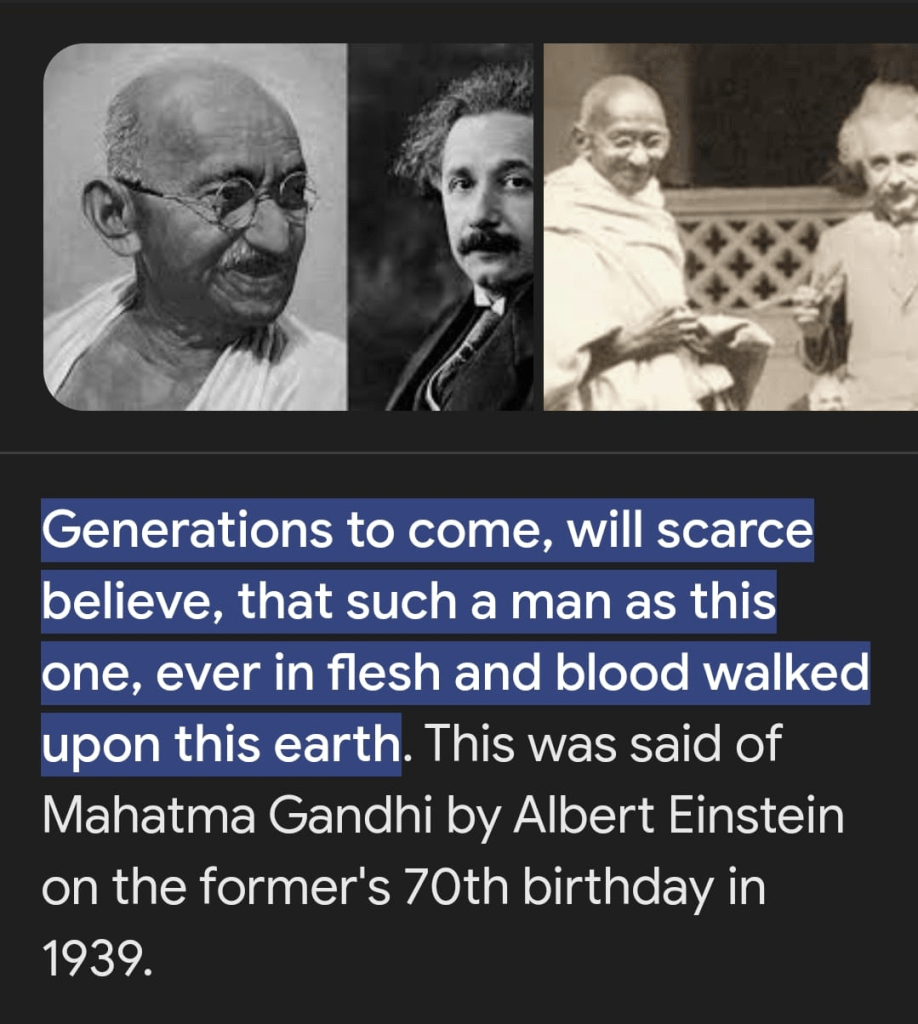
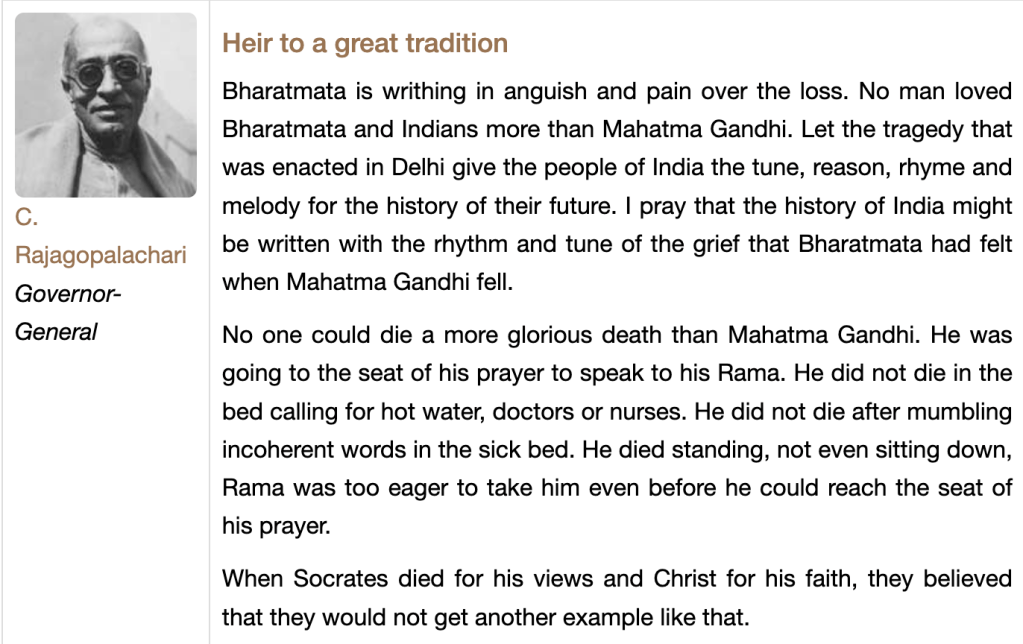
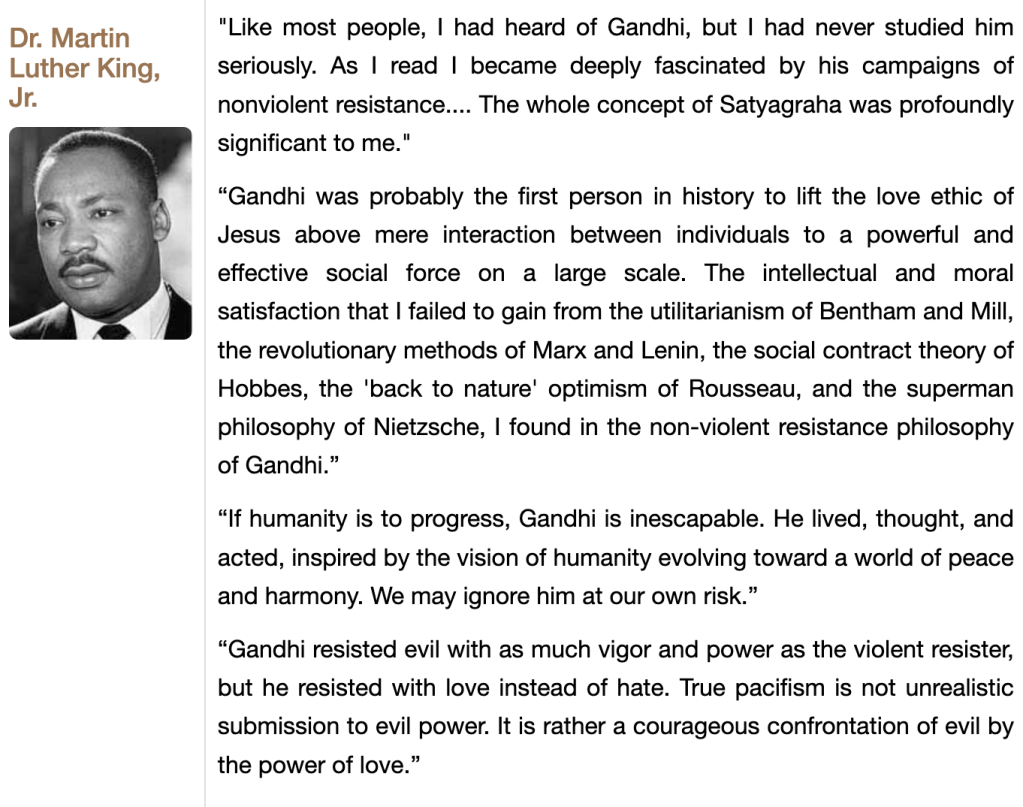
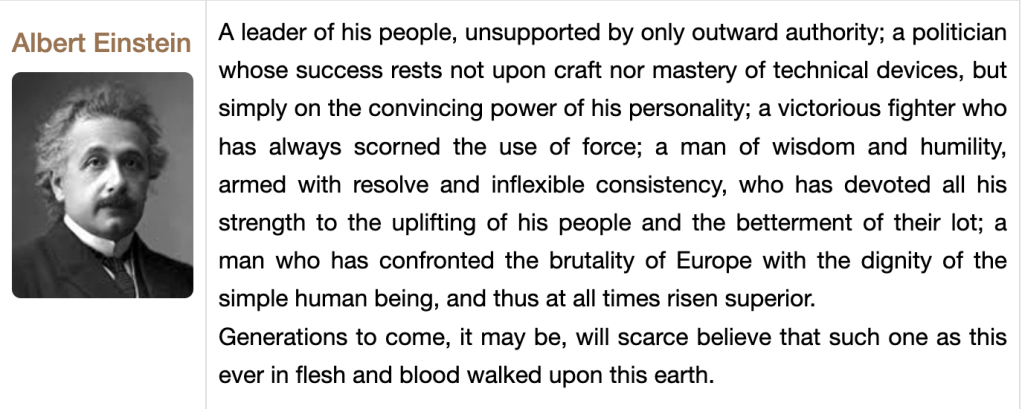
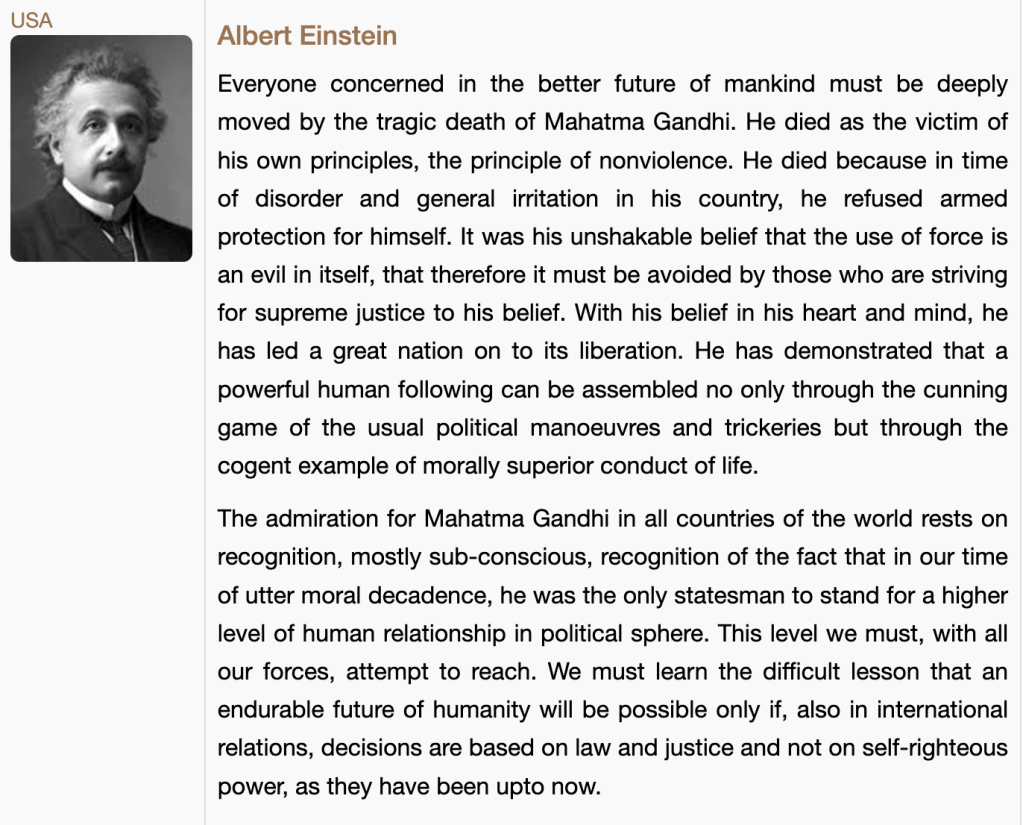
Consider the kernel layer in Unix. Only a select few—deep thinkers, innovators, and visionaries—can work at this level. Similarly, Gandhi operated in a privileged, kernel-like context, deeply understood by luminaries such as Patel, Bose, Tagore, Nehru, Rajai, Moulana Azad ++ and Geniuses like Einstein. But not every politician, historian, or critic has the capability to comprehend or critique this level of abstraction.
Please do not miss the Appendix Section in the end titled – In System’s Parlance It Takes an Architect to Understand Another.
Layer 3: The Applications – Limited Context of Critics
Applications run in user mode, interacting with the OS through APIs. They are task-specific, designed for narrow and mayopic objectives, such as editing a text file or running a simulation. This limited scope is by design—it ensures efficiency in solving specific problems but precludes a broader, systemic understanding.
Critics like Sai Deepak and Vikram Sampath are akin to these applications. Their work, while potentially useful in specific contexts (like legal narratives or selective historiography), cannot operate in kernel mode. They rely on APIs—surface-level interpretations of Gandhian thought—without understanding the OS-level complexities. When these applications critique the OS, they risk destabilizing the system because they lack the contextual breadth to see the bigger picture.
Layer 4: Idle Tasks – Media Personalities and Social Media Trolls
Every system has idle tasks—processes that consume resources without contributing meaningful output. Media personalities like Arnab Goswami and Navika Kumar, as well as social media trolls, fall into this category.
These idle tasks often misinterpret or misrepresent the system, creating noise and distractions. Just as idle tasks waste CPU cycles, these figures waste societal attention on baseless controversies, further eroding the understanding of Gandhi’s contributions.
Layer 5: The End-User Dilemma – The Illusion of Expertise
End-users interact with applications without understanding the underlying hardware or OS. They may believe that scanning a QR code or clicking a button makes them technologically advanced, but this superficial engagement reflects no real expertise.
Similarly, many individuals who ridicule Gandhi base their arguments on out-of-context anecdotes or cherry-picked flaws, ignoring the monumental framework he provided for India’s independence. They fail to grasp that the freedom to criticize Gandhi today exists because of the system he architected.
Layer 6: Lessons from System Architecture
1. Applications Must Stay in Their Lane
Applications are not designed to rewrite the OS or directly interact with hardware. Critics should recognize their limited context and refrain from questioning philosophies they are not equipped to understand.
2. The OS is Built for the Long Game
The OS focuses on stability, scalability, and unification—not immediate gratification. Gandhi’s methods, like an OS, aimed for long-term systemic change rather than short-term wins.
3. Idle Tasks Drain Resources
Just as idle tasks can degrade system performance, media distractions and superficial debates dilute the societal focus on meaningful progress.
4. End-Users Need Education
For a system to function optimally, end-users must be educated about its architecture. Similarly, society needs to educate itself about Gandhi’s kernel-level vision rather than relying on surface-level interpretations.
Conclusion: Gandhi, the Kernel Visionary
Mahatma Gandhi was the operating system that bridged the eternal truths of India’s heritage (hardware) with the practical needs of a freedom struggle (applications). His philosophy was designed to unify, sustain, and guide, not to cater to every niche demand or individual preference.
Applications and end-users must respect the OS and acknowledge its role in enabling their existence. Criticizing Gandhi without understanding his context is like blaming an OS for an application crash. It reflects ignorance, not insight.
In the architecture of society, let us remember: without the OS, neither hardware nor applications can function. Gandhi’s kernel vision continues to run, quietly and profoundly, in the background of the nation he helped liberate. Let’s ensure we honor it with the understanding it deserves.
Appendix – In System’s Parlance It Takes an Architect to Understand Another.





 MindsWideOpen.In - AI ⚡ AI 🚀
Leave a comment